2023
My graduation project in design explores multiculturalism and identity — working through experiences, memories and personal stories from a group of third-culture Norwegians through visual communication.
The material was gathered from interviews and workshops with descendants of immigrants, as well as music, poetry, news and literature — explored through typography, illustration, book design and photography.
«Men ja. Det er jo sykt. Hvordan ting er.
Det er bare flaks at det er kusina mi som er
på den andre siden, ikke meg.»
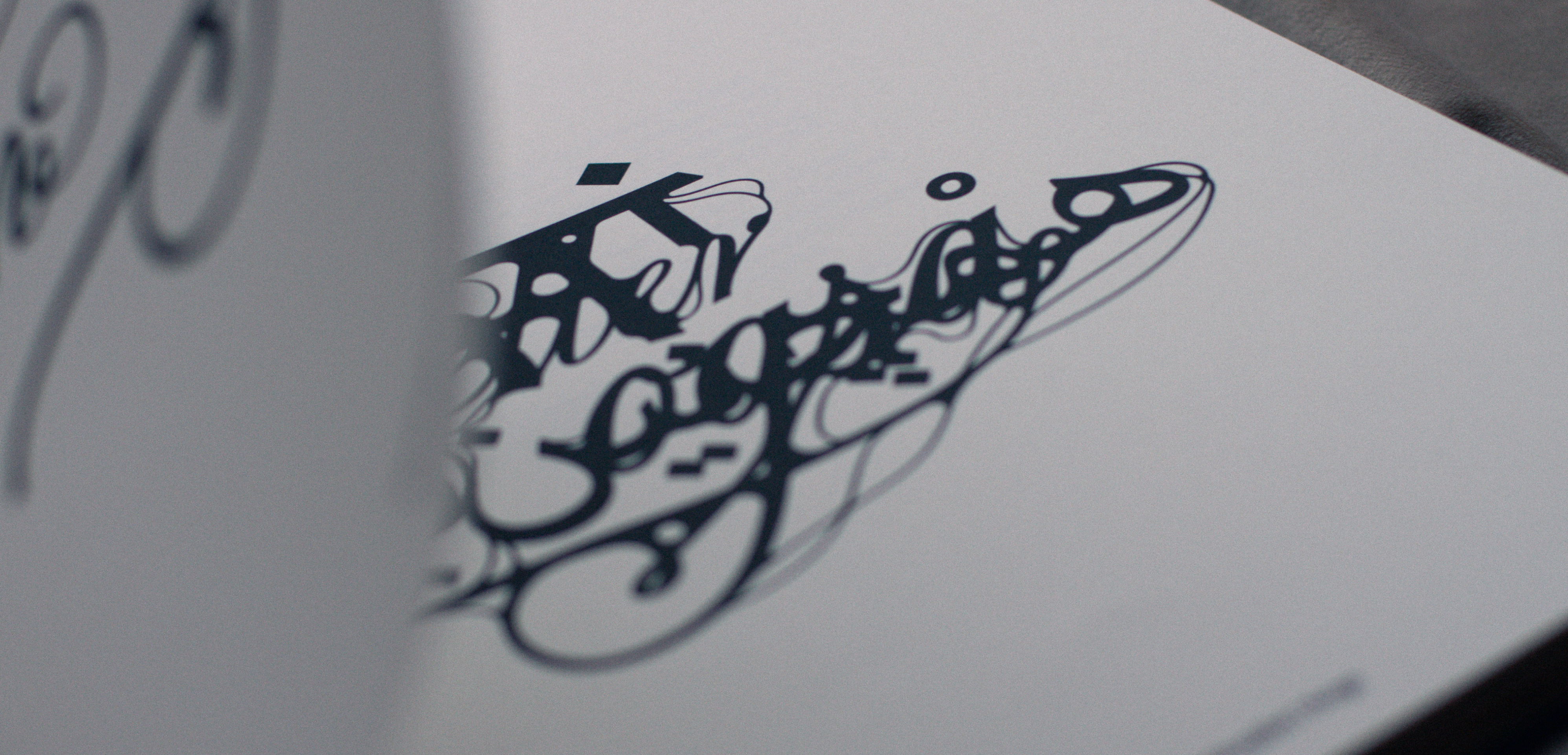
The project consists of a hand-sewn book, an exhibition, an exhibition catalogue, charcoal drawings, photographs and typographic illustrations.
I conducted 2 workshops and 3 interviews with a total of 6 descendants of immigrants during February–March 2023.
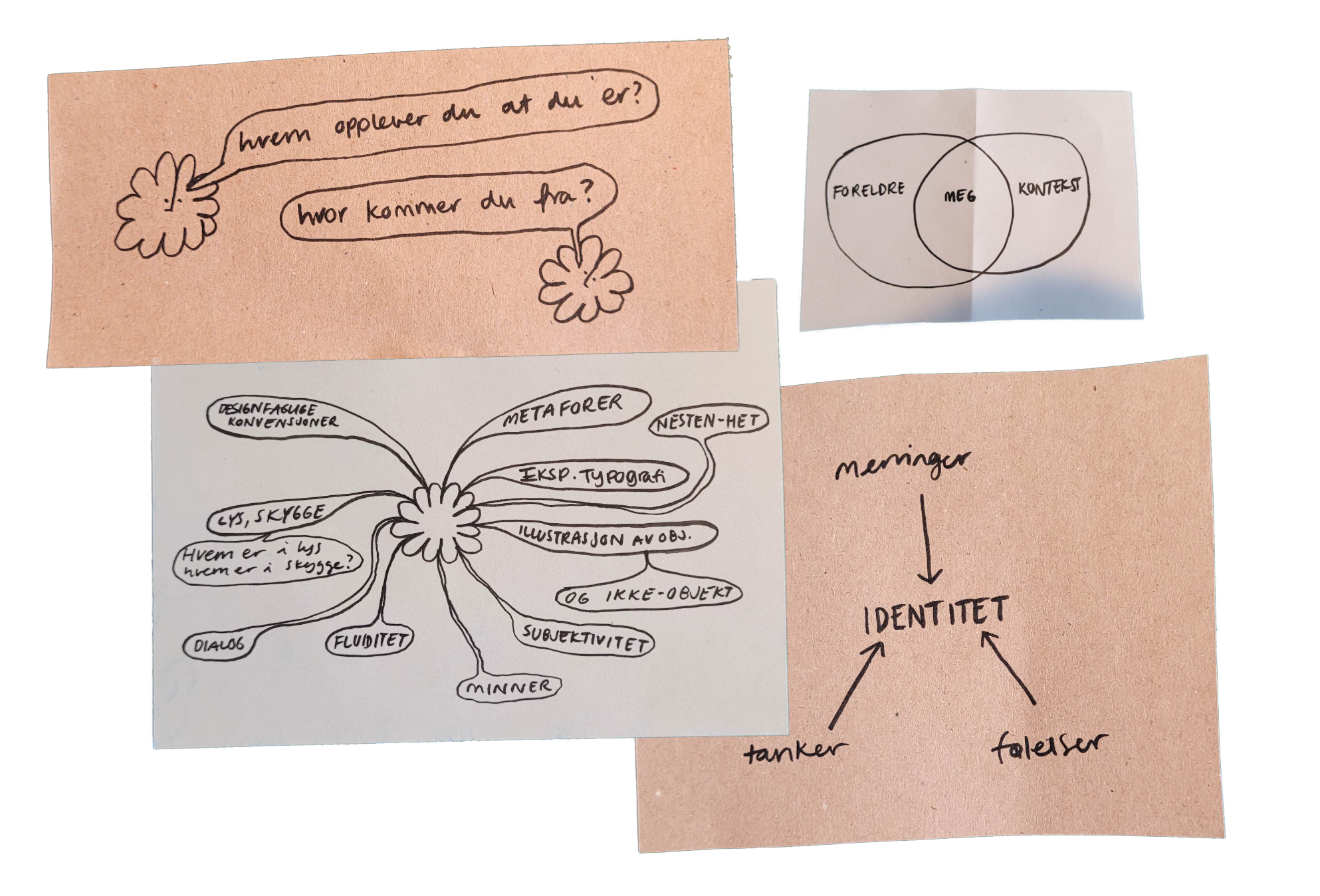
Their statements were transcribed and used as the primary material in the book — the starting point for work with multilingual typography, ambiguous photography and storytelling.
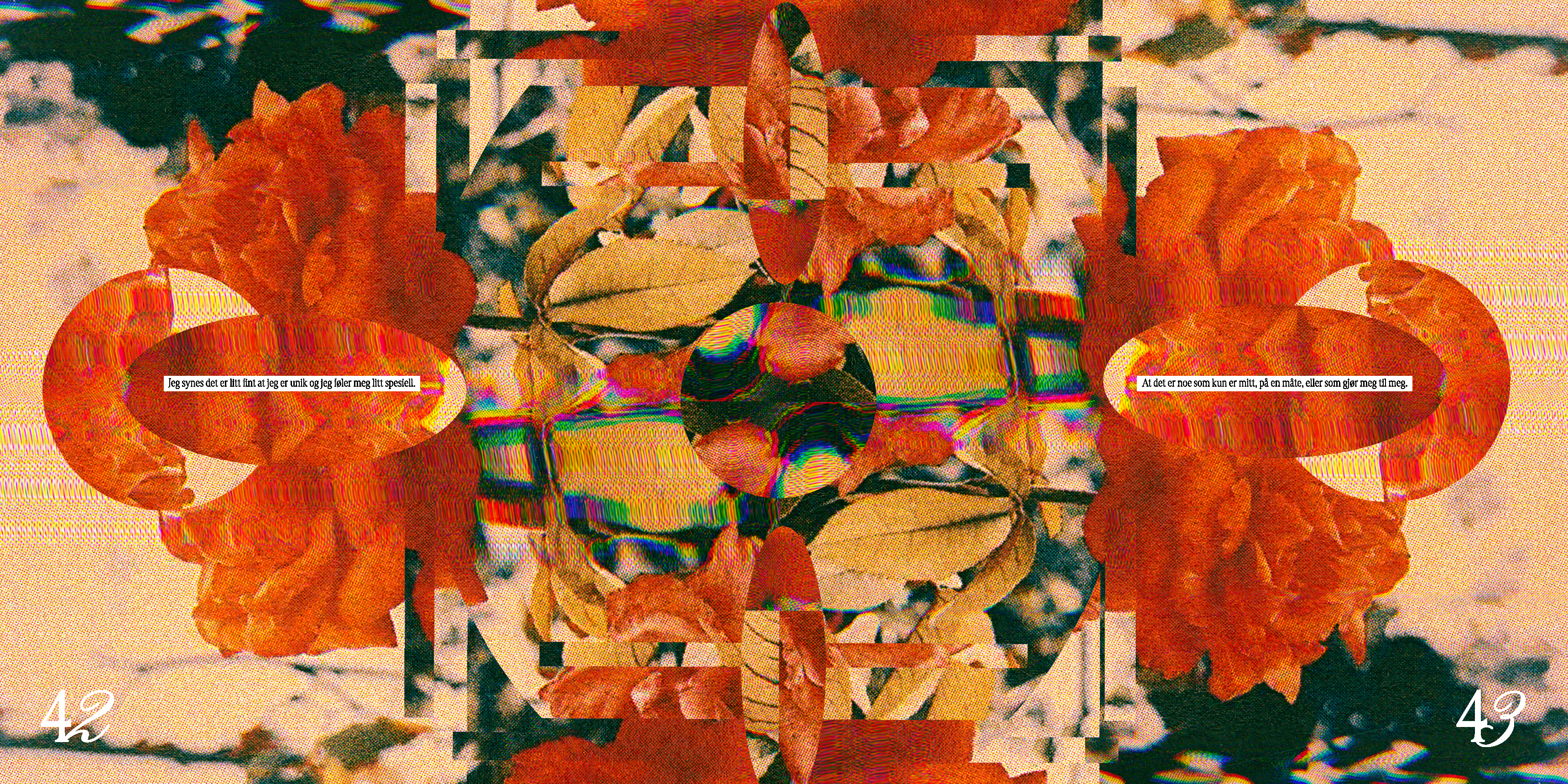
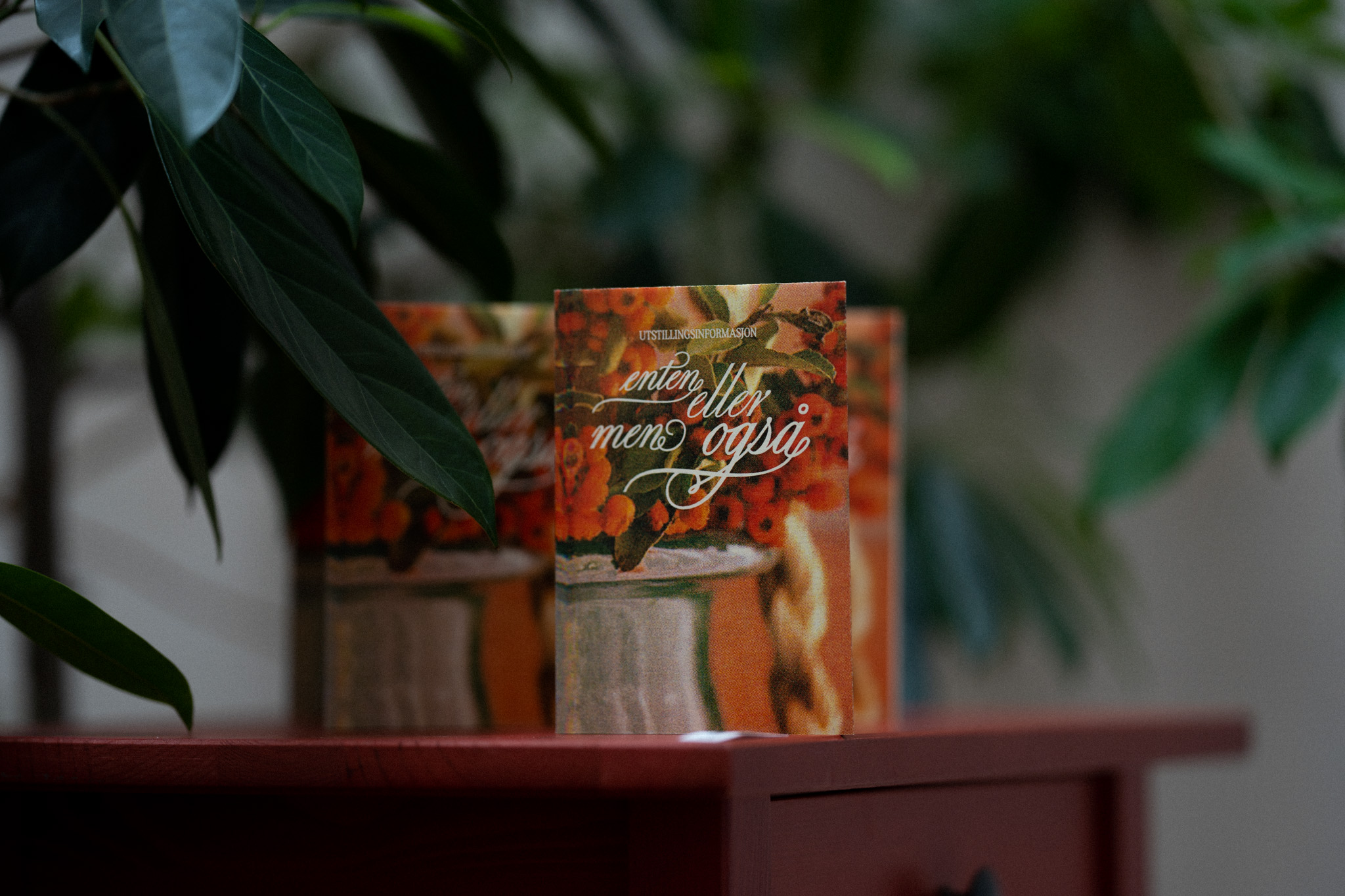
The project aims to create belonging, empathy and dialogue within and beyond the group — through an experimental approach to interview-based documentary storytelling.
The project explores in-betweenness and the combination of language and visual culture — challenging legibility, the right to understand something on a first attempt, and pushing the boundary between form and readability in typography.

«Enten eller, men også» is a large, outwardly anonymous 80-page book with 28 quotes about multiculturalism in Norway. It is filled with personal accounts from descendants of immigrants, alongside published statements from contemporary literature and culture.
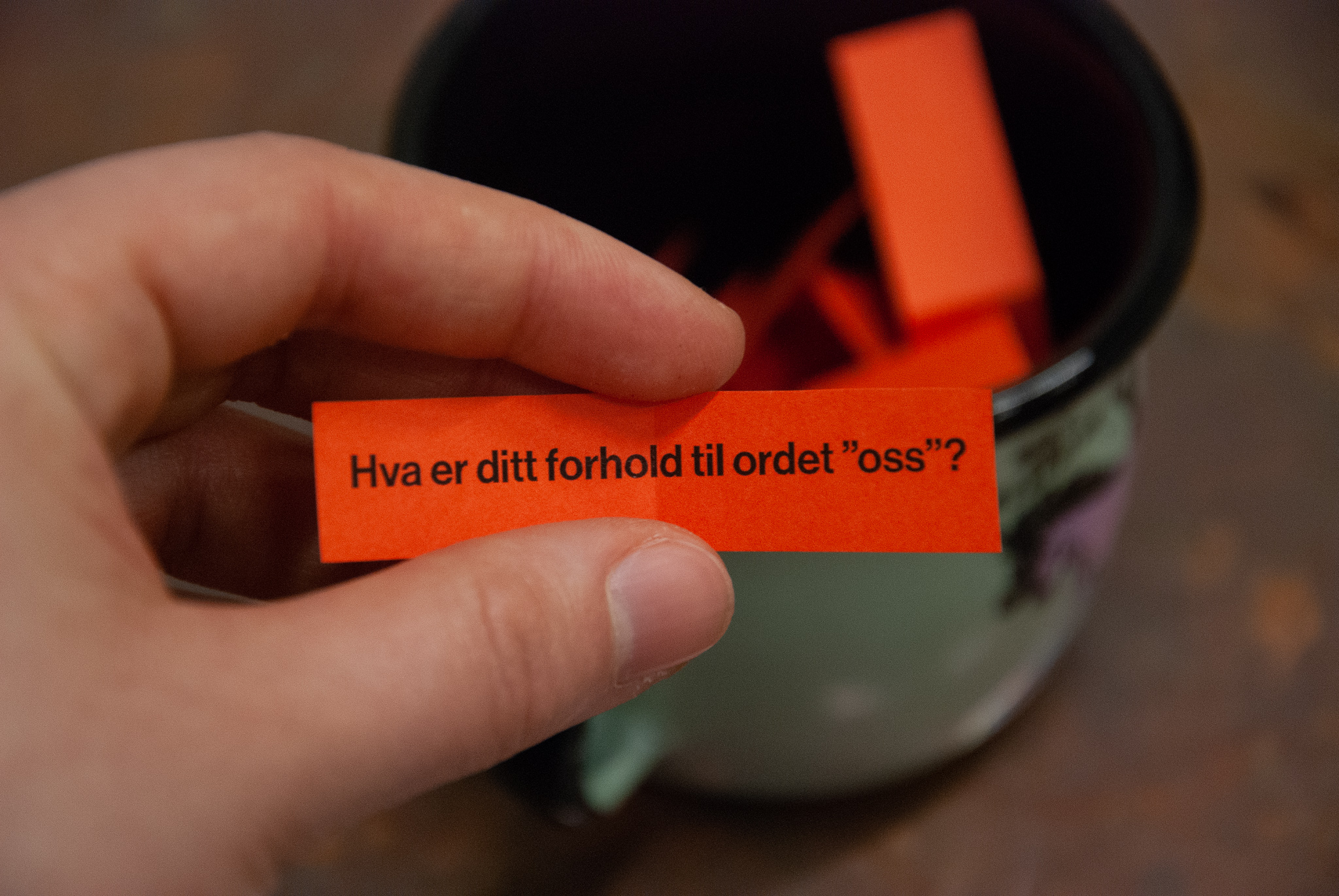
The workshops were by far the most important component of my research. I conducted two workshops with 4 participants each, and took audio recordings which were transcribed and sorted in the same way as the interviews.
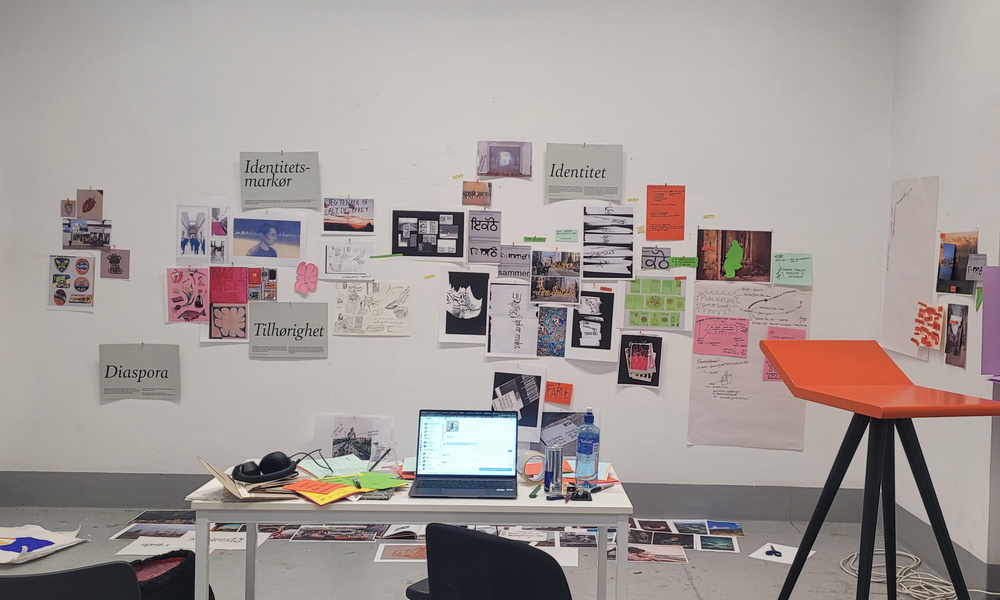
Transcripts were contextualised through other design, literary and cultural projects on the same theme. I worked in parallel with typography, drawing and visual culture, language, word work and visual summaries.
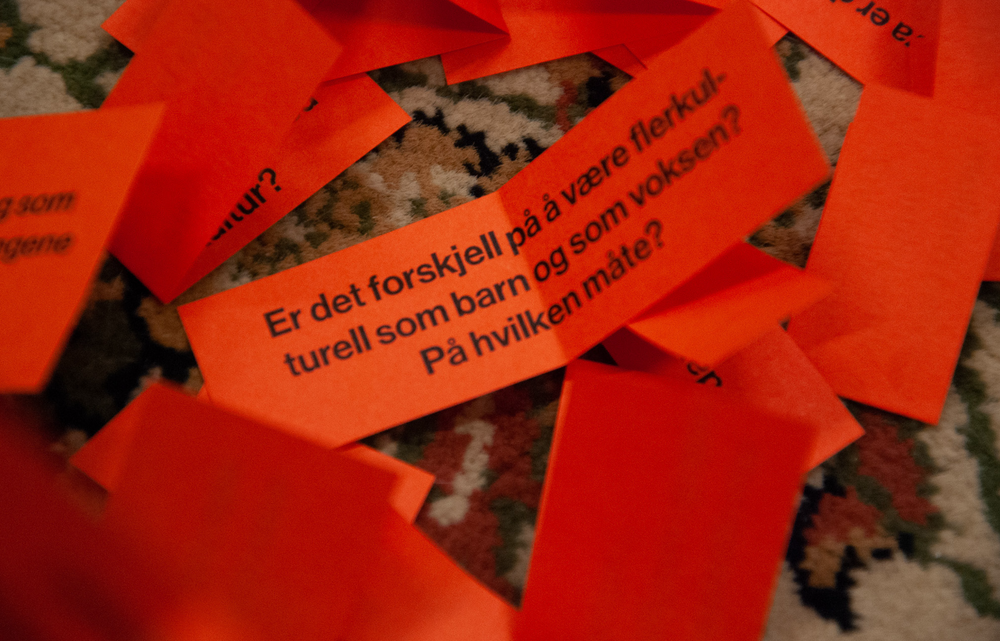

This section is a digital, compressed version of the process and references I used. I hope others working on the same topic find it interesting — and that together we can continue to tell new stories and challenge Western visual culture.
Hanna Karraby's zine Haft-seen (2022) explores her Iranian–American experience and heritage. She uses design as a tool in search of her heritage — to celebrate her Iranian identity while reckoning with the shame she feels around her lack of cultural knowledge.
Read about the project ↗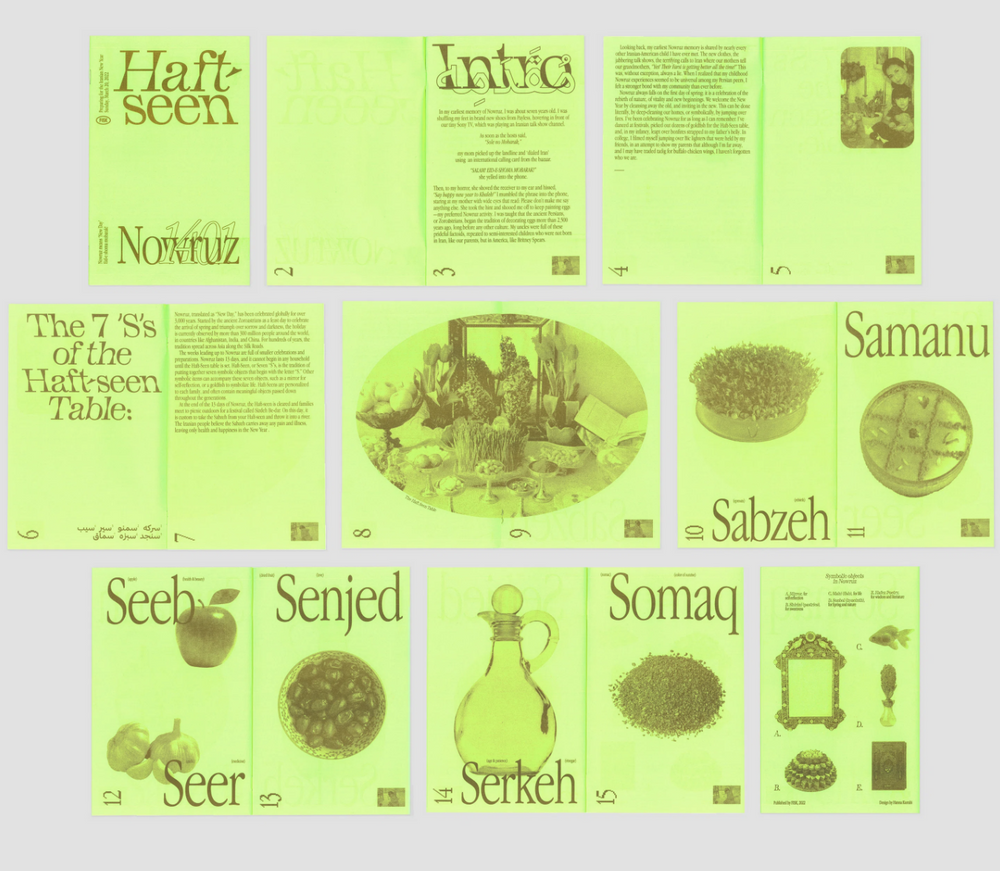
Power structures exist within taste and visual culture, and this power lies mainly with European modernism.
Visit Tyranny of Taste ↗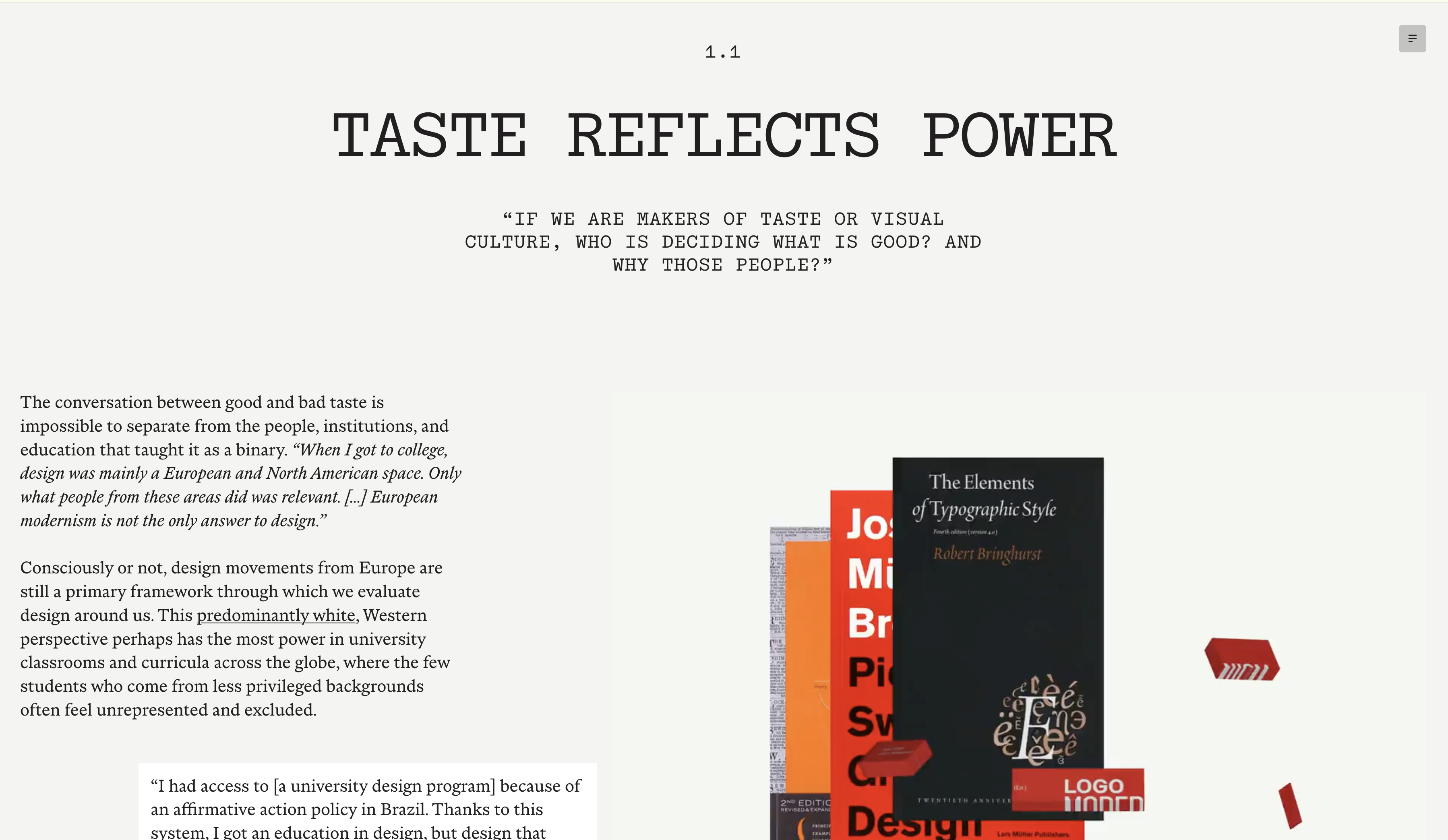
A feminist design organisation holding monthly talks that challenge the framework we use to talk about and teach design in the West — exploring education, language, representation, ableism and feminism.
Visit FUTURESS ↗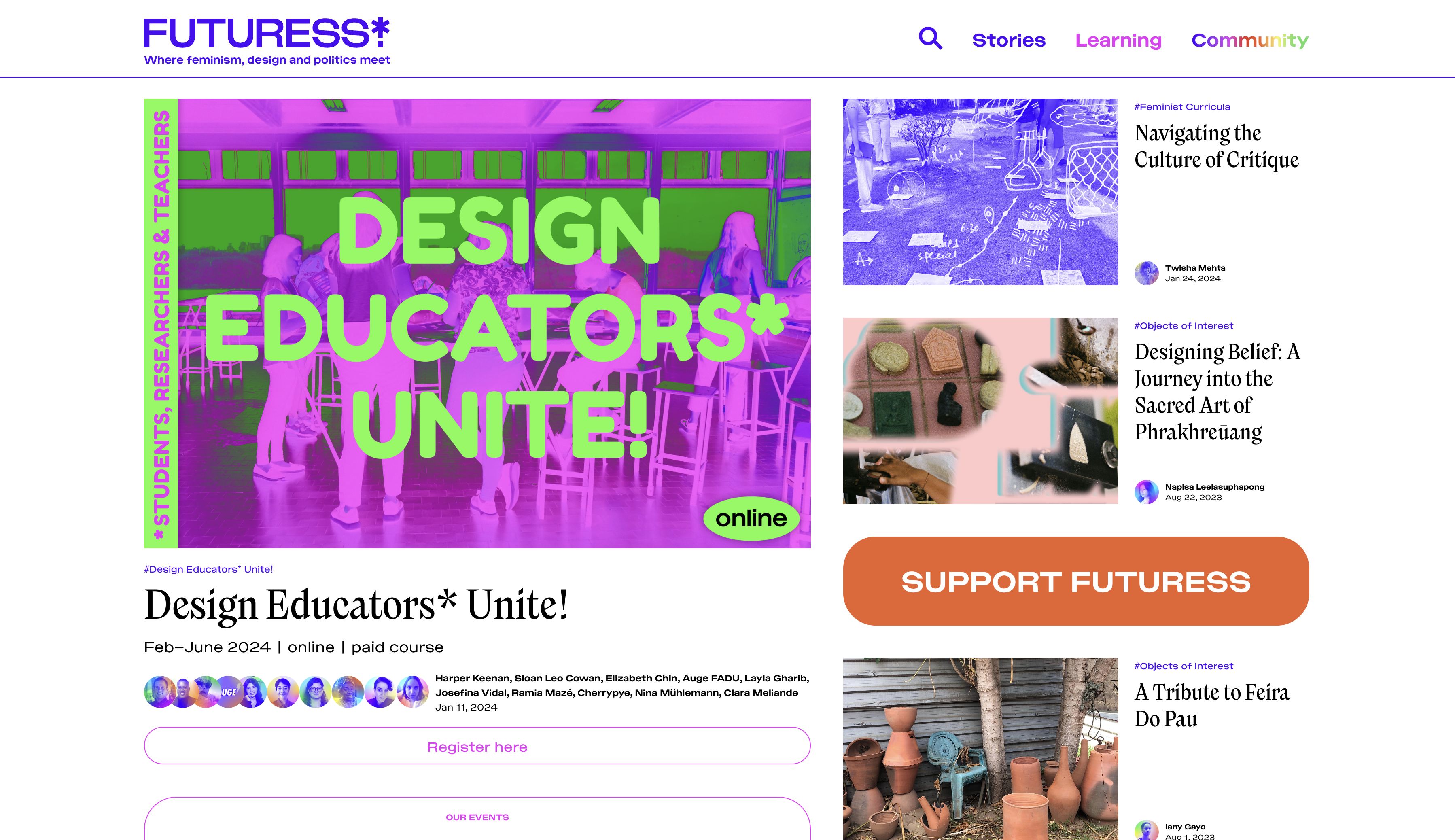
In 2020, Dadu Shin posted a ballpoint-pen portrait for the New York Times — part of a feature where Asian Americans created self-portraits. Tender, with uneven edges, it shows a self-portrait in front of a skyline blending Korean and American buildings in negative form.
Visit Shin's website ↗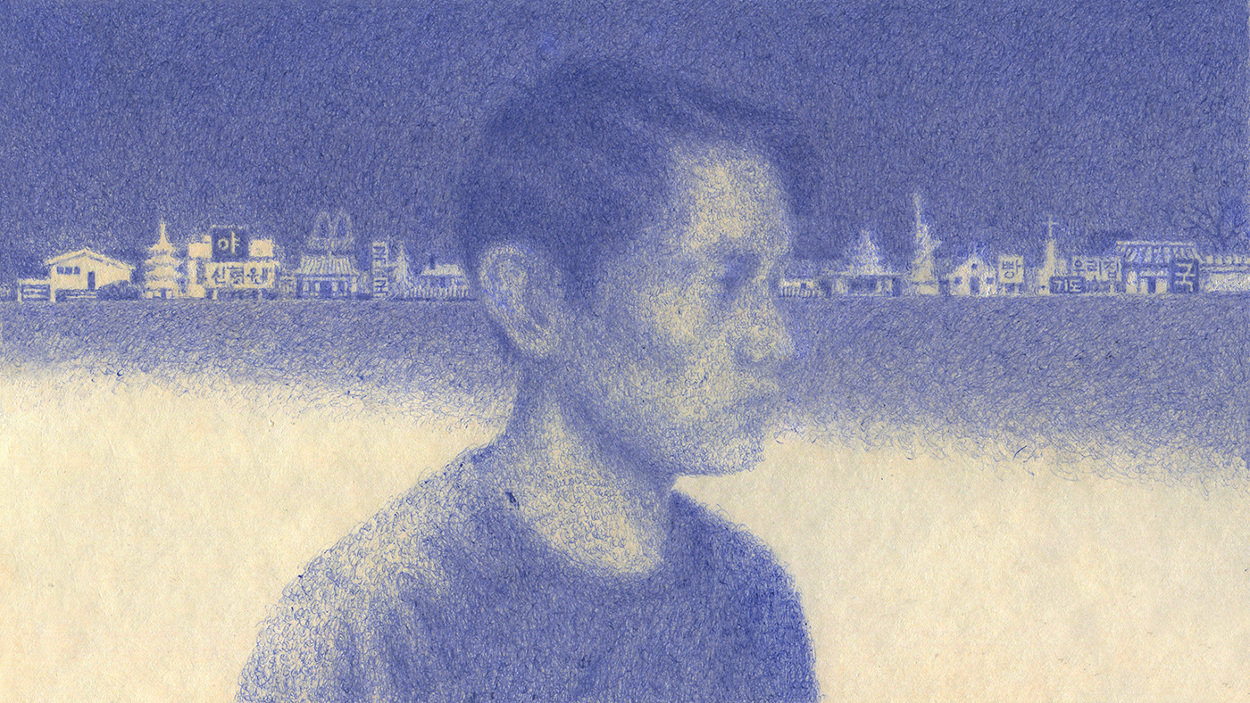
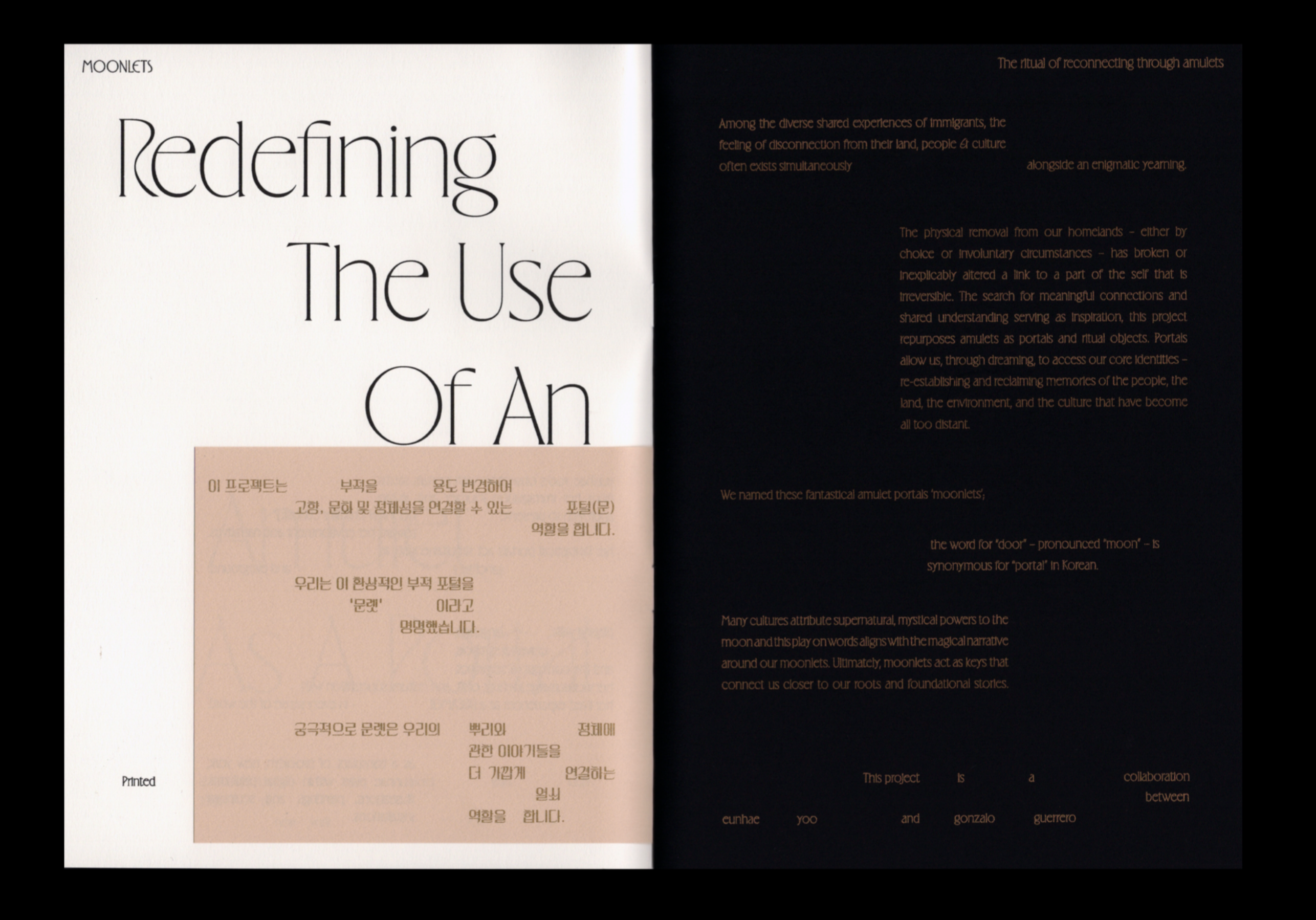
Created by eunhae yoo and Gonzalo Guerrero, published by Secret Riso Club. The project repurposes amulets as portals — allowing us, through dreaming, to re-establish connections to the people, land and culture that have become too distant.
An annual magazine (est. 2020) responding to the lack of authentic representation of descendants, third-culture kids and the diaspora in British art — a platform for their own stories, told by them.
Read and buy the magazine ↗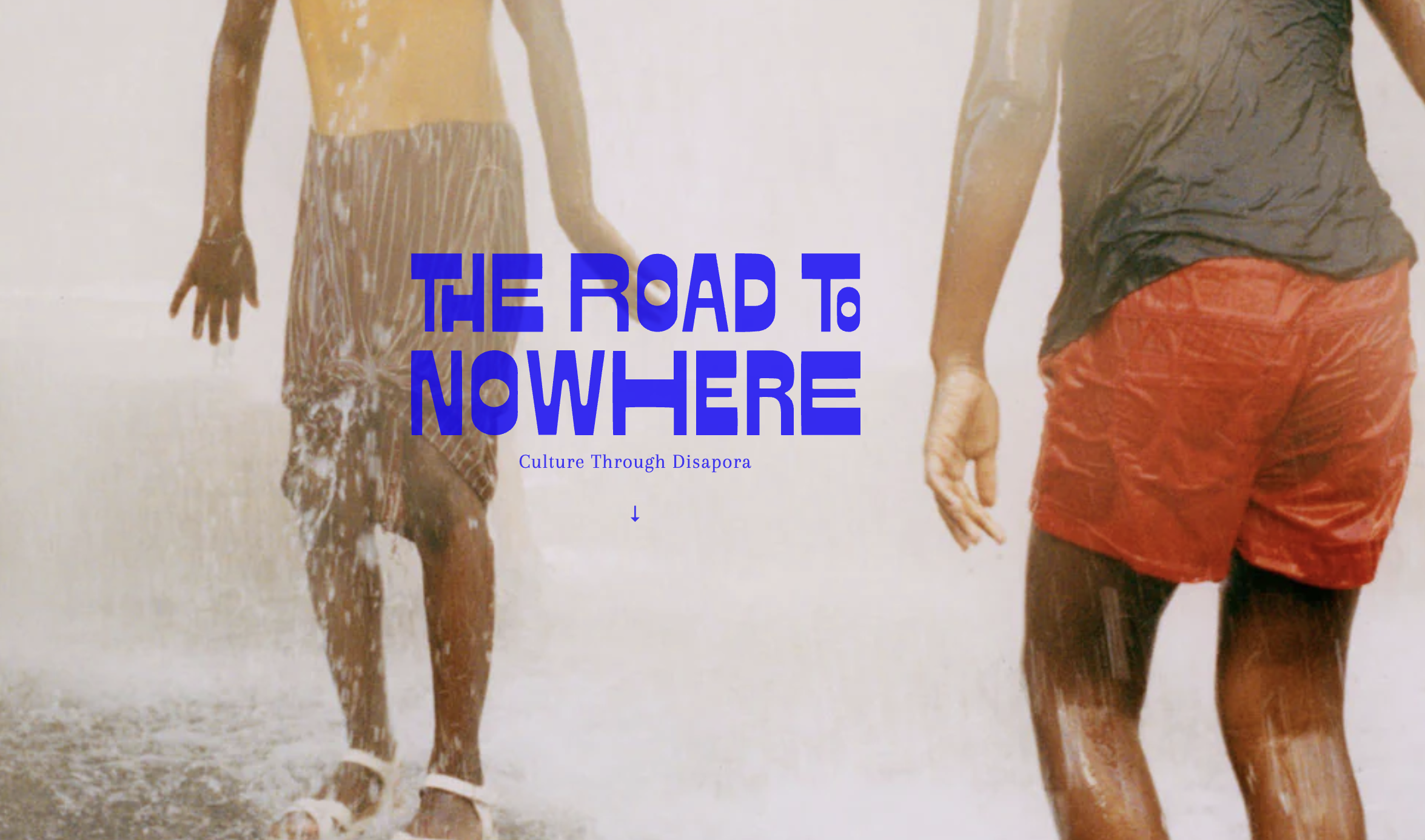
Murathan Biliktu's typeface (2022) explores storytelling through type design — specifically migration and diaspora. Its variants are not weight-based but abstraction-based, commenting on how foreign workers may work in but are not yet fluent in their new cultural context.
Visit Biliktu Foundry ↗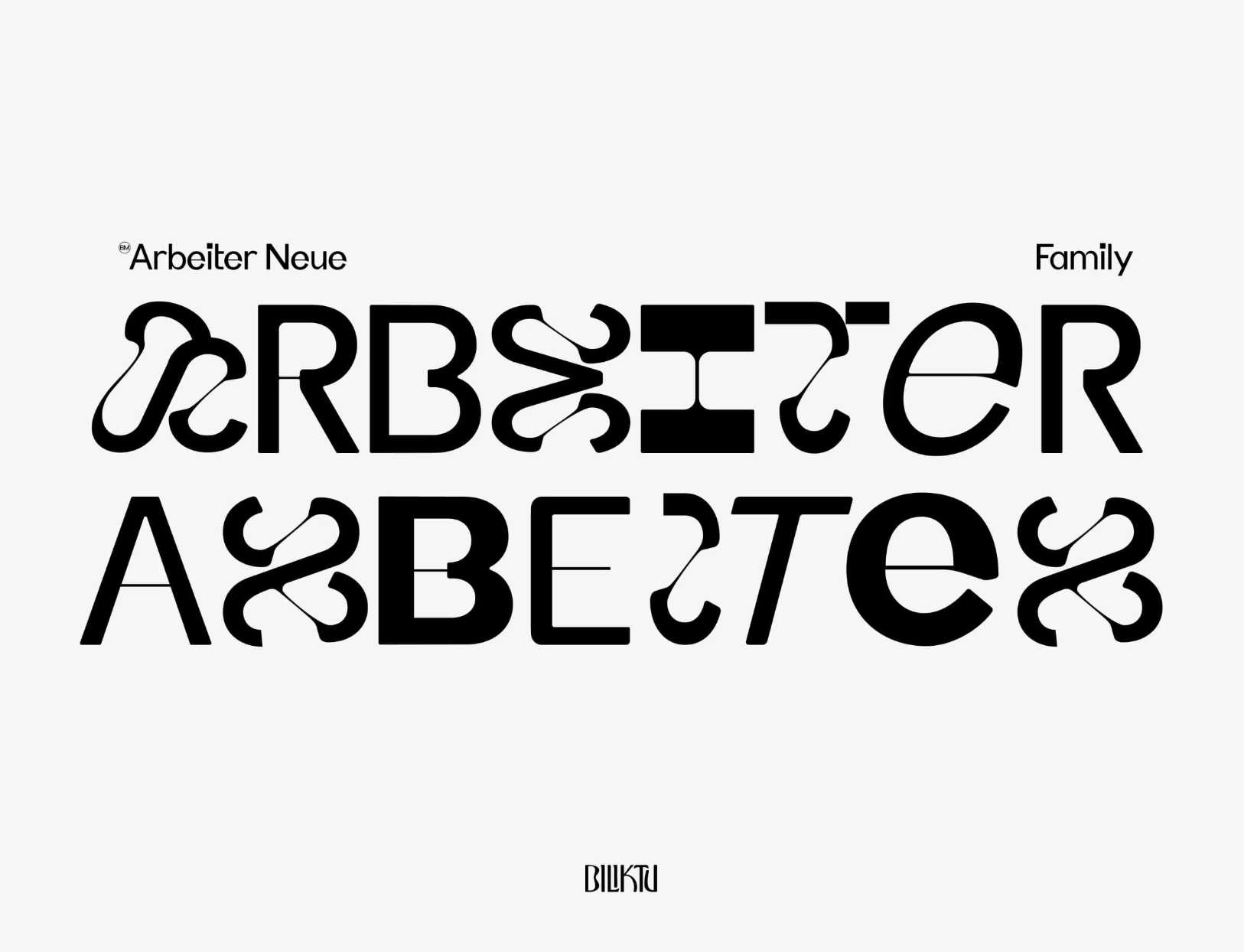
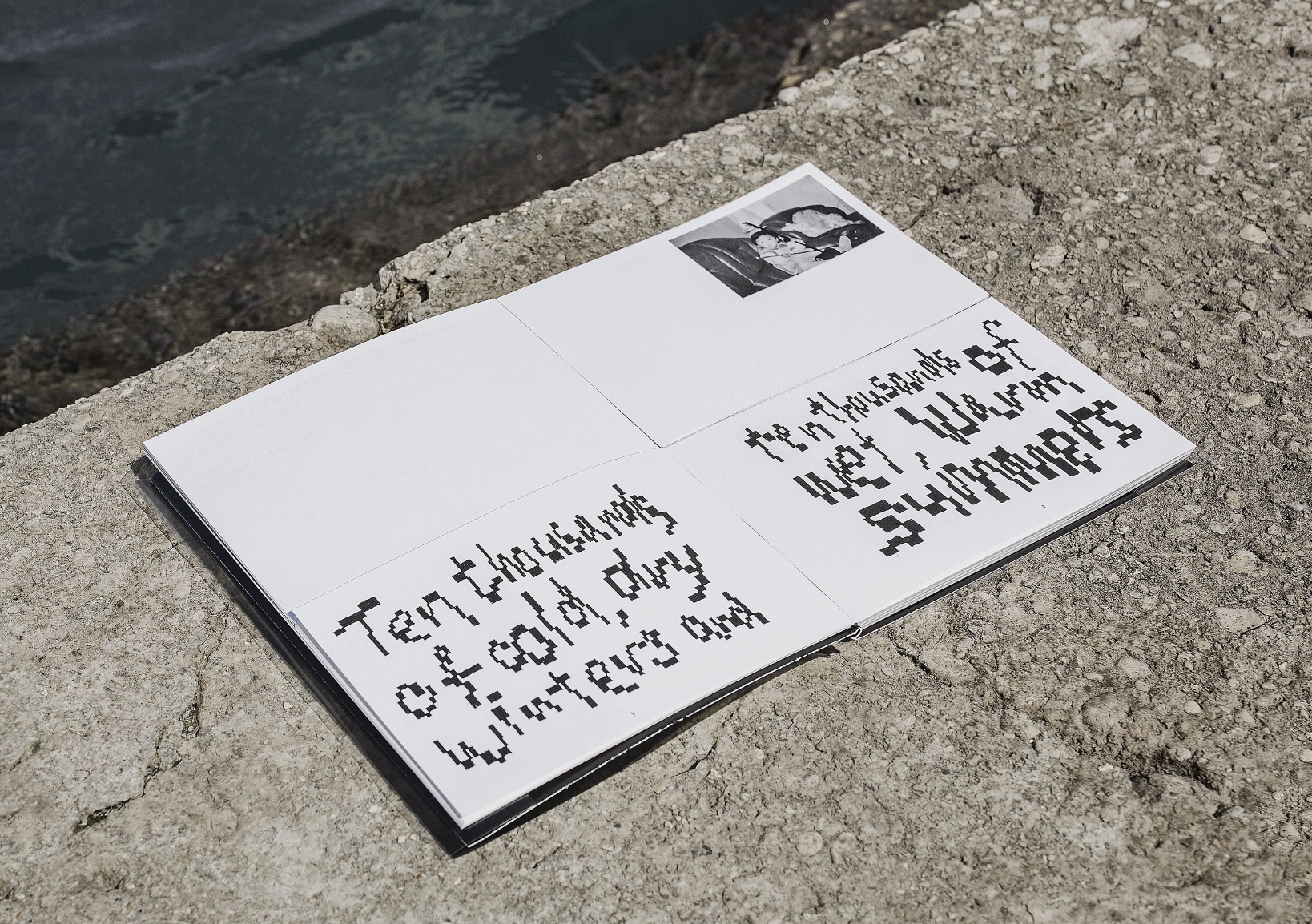
Designer Eager Zhang explores experimental typography and multilingualism with the book as vector. The same characters never seem to appear twice — each stanza, question and text is unique. She challenges legibility and tests the limits of multilingualism in this poetic publication.
Visit Zhang's website ↗